Wrestling for BJJ White Belts
Wrestling Stance for BJJ: A White Belt's Guide
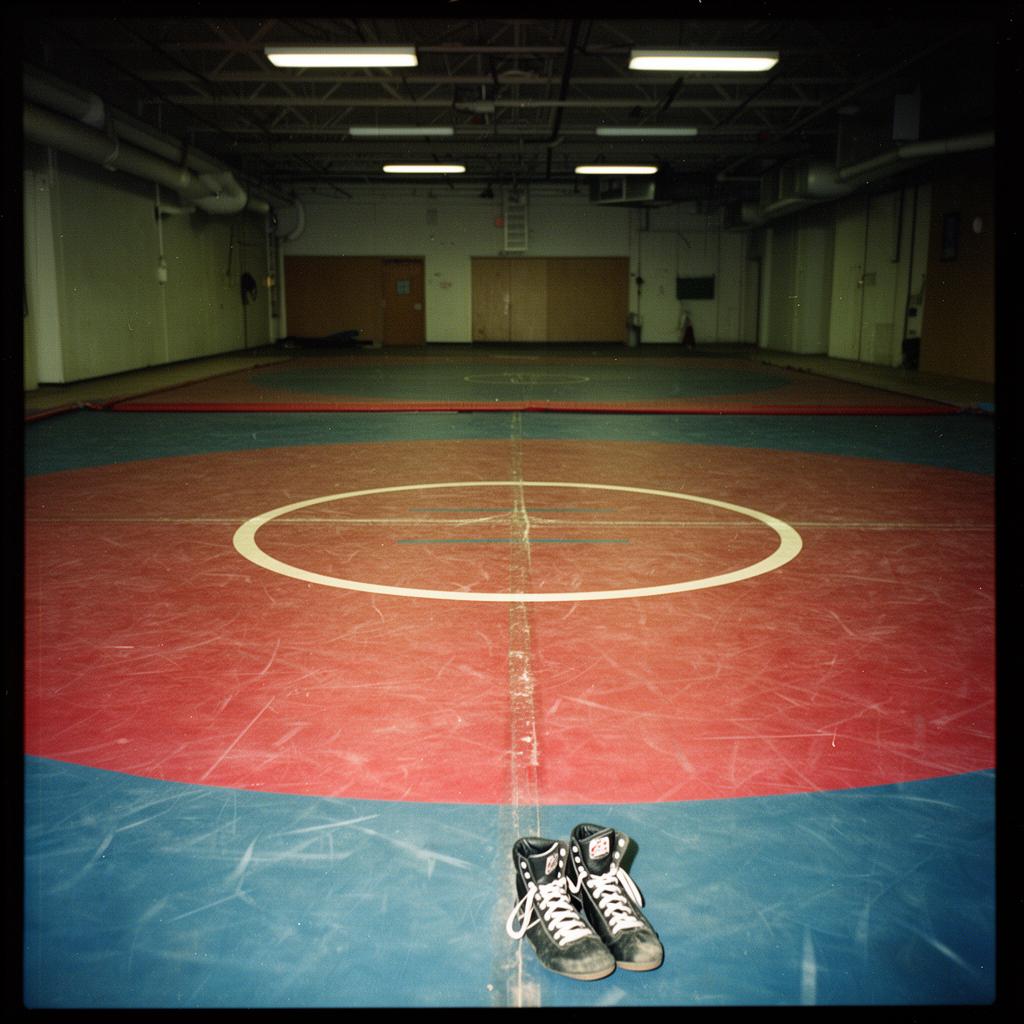
Do you feel lost on your feet? When the roll starts standing, many BJJ white belts feel unstable and easy to push over, quickly finding themselves on the bottom. A solid, balanced stance is the foundation of every good wrestler and the first skill you need to borrow for your BJJ game.
This is your base of operations. From here, you can attack, defend, and control the stand-up fight. Without it, you're just waiting to be taken down.
Why a Wrestling Stance Matters in BJJ
A good stance isn't just about looking tough. It's about pure, practical physics. It makes you harder to move and gives you a platform to generate explosive power.
In BJJ, most of the fight might happen on the ground, but how you get there matters. Starting in a dominant position is a huge advantage. A strong wrestling stance allows you to control the engagement, decide whether to shoot for a takedown, pull guard on your terms, or defend your opponent's attacks.
Think of it as your shield and your springboard. It keeps you safe and stable while allowing you to launch powerful, effective takedowns.
Building Your Stance: Step-by-Step
Building a great stance is a process. Don't just mimic what you see. Build it from the ground up with intention.
1. Feet: Start with your feet about shoulder-width apart. If you're right-handed, your left foot will be forward (orthodox stance). If you're left-handed, your right foot will be forward (southpaw stance). Your lead foot should be pointed mostly forward, and your rear foot should be turned out slightly, about 45 degrees.
2. Knees and Hips: Lower your level by bending your knees, not your waist. Your hips should be lower than your head. Imagine you're sitting in a chair that isn't there. This low center of gravity is the key to your balance.
3. Back and Head: Keep your back straight. A hunched back kills your mobility and makes you vulnerable to front headlocks and chokes. Keep your head up and your eyes focused on your opponent's chest. Where the head goes, the body follows. Looking down tells your opponent you're about to shoot and breaks your own posture.
4. Hands and Arms: Your arms should be out in front of you, elbows in. Don't reach with straight arms. Your hands are your first line of defense—use them to block, parry, and establish grips. Keep them active.
Your weight should be balanced on the balls of your feet, ready to move in any direction. You should feel springy and athletic, not heavy and flat-footed.
Simple Drills to Ingrain Your Stance
Now, you have to move in your stance. A static stance is a dead stance.
- Stance in Motion: Get in your stance and just move. Move forward, backward, left, and right. The key is to never cross your feet. Use small, shuffling steps. Your feet should return to their shoulder-width, staggered position after every step. Do this for 2-minute rounds.
- Mirror Drill: Find a partner. One person is the leader, the other is the follower. The leader moves around in their stance, and the follower mirrors their every move. This teaches you to react and maintain your position relative to an opponent.
- Wall Sits: This isn't a wrestling drill, but it builds the specific endurance you need. Sit against a wall as if you're in a chair, with your thighs parallel to the floor. Hold it. This will strengthen your legs and make holding your stance for an entire match feel much easier.
Common Mistakes
Every white belt makes these mistakes. The goal is to recognize and fix them.
FlowLogic Grappling
Your Training Needs a System
If you are only relying on memory after class, you are leaving progress on the mat. FlowLogic Grappling helps you track what you learned, what worked, what failed, and what to focus on next.
Start Tracking in FlowLogic- Standing Too Tall: This is the most common error. It makes you top-heavy and easy to push over or shoot under. Get low. Then get lower.
- Bending at the Waist: Bending at the waist puts your head in a vulnerable position and ruins your posture. You can't generate power from here. Always lower your level by bending your knees and sinking your hips.
- Feet Too Close or Too Wide: Feet that are too close together destroy your balance. Feet that are too far apart kill your mobility. Find the shoulder-width sweet spot.
- Looking Down: Looking at the mat breaks your posture and signals your intentions. Keep your head and eyes up.
- Reaching: Reaching with straight arms makes you easy to pull and opens you up for arm drags and snap-downs. Keep your elbows in and your hands close.
What to Track After Class
Pay attention during rolling and drilling, then make a few notes afterward. The details matter.
- How long could I comfortably hold my stance during drilling rounds?
- Did I get taken down from a bad position? If so, what was wrong with my stance?
- Did I bend at my waist or my knees when trying to get low?
- How many times did a coach or training partner have to remind me to keep my head up?
- When moving, did my feet get too close together or cross?
---
Tracking your training is the fastest way to see what's working and what isn't. Start tracking your sessions for free and build your skills methodically with FlowLogic Grappling.
Stop Guessing. Start Building Your Game.
Use FlowLogic Grappling to track your BJJ, wrestling, no-gi, gi, mindset, and competition progress in one place.
Start Tracking Your BJJ Progress